






The Americas Space Forum
The Americas Space Forum is where space policy in the Americas is discussed in the open. The 2026 edition runs from 30 November to 1 December in Santiago, Chile, hosted at the Economic Commission for Latin America and the Caribbean (ECLAC) with the support of the United Nations Office for Outer Space Affairs (UNOOSA).
After its first edition in Washington, D.C. in 2025, the Forum heads to Latin America for the first time. Senior policymakers, space agencies, regulators, industry leaders and international organisations meet alongside the UNOOSA Regional Space Law and Sustainability Technical Advisory Mission for GRULAC.
Over two days, the programme asks how the region’s space rules are changing, how satellite networks can bring affordable connectivity to underserved communities, where commercial growth and investment will come from, and how space data can support sustainable development and security. It also includes a visit to the Chilean National Space Center (CEN) at Los Cerrillos Air Base.
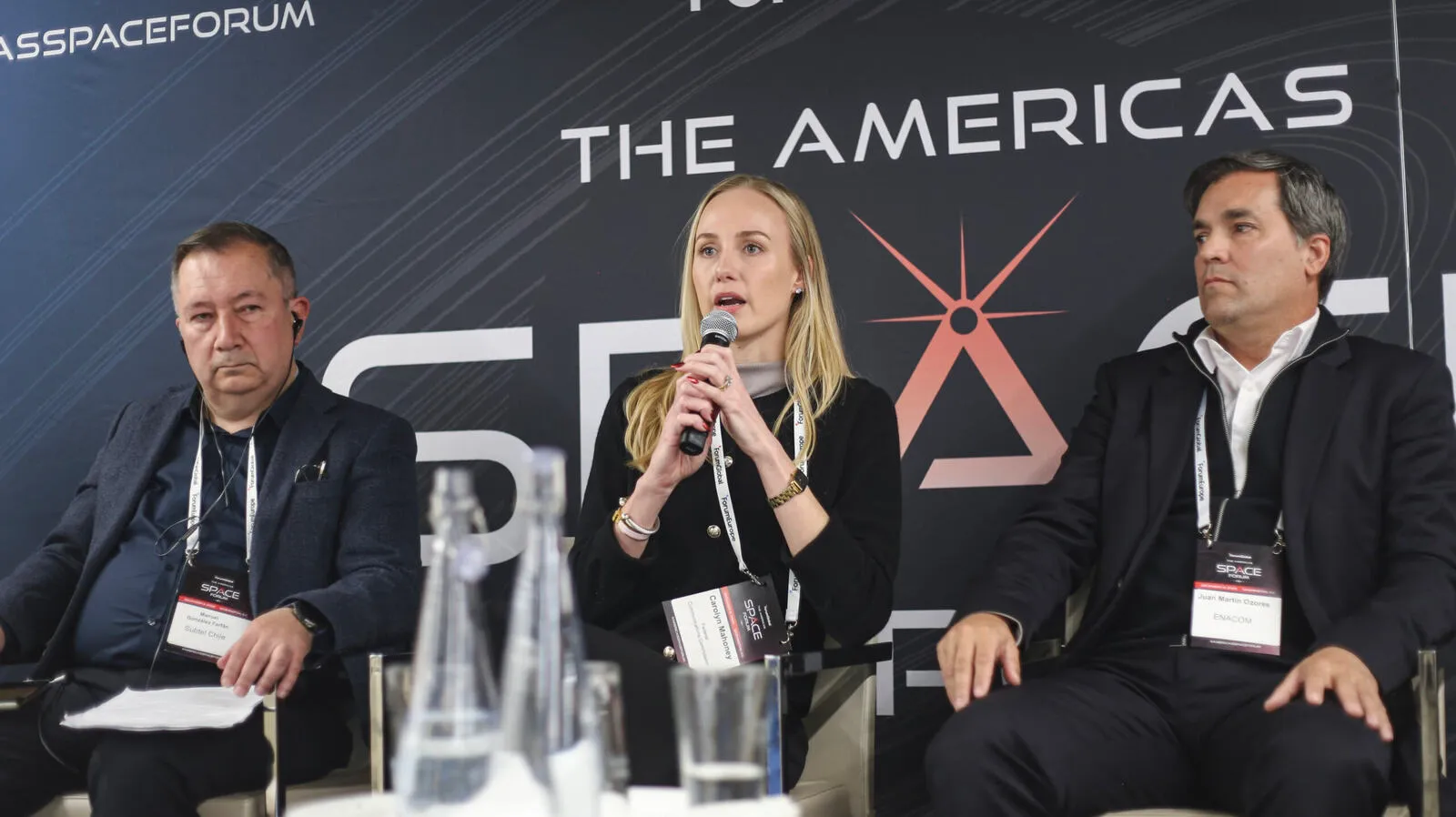
Space is global; we need cooperation, and we need to understand the possibilities of other countries, institutions and neighbours.
Six themes for 2026
Regional Leadership and Space Governance
How recent regulatory reforms across the Americas are reshaping the region's space ecosystem, whether national frameworks are converging or fragmenting, and how countries beyond the largest space powers can help shape a more coherent continental approach.
Expanding Digital Connectivity Through Satellite Networks
The growing role of satellite networks, from low Earth orbit constellations to direct-to-device services, in delivering resilient and affordable connectivity alongside terrestrial networks, and the spectrum and regulatory choices needed to reach underserved communities and integrate with 5G and future 6G.
Accelerating Commercial Space and Industrial Growth
Where the region's commercial opportunities lie, how funding is spread across countries and company stages, and which policies, procurement approaches and partnerships help emerging companies scale and attract investment.
Harnessing Space for Sustainable Development
How Earth observation supports climate resilience, disaster response and environmental protection, and what is needed to widen access to space-derived data for governments and developing economies across the Americas.
Unlocking the Strategic Value of Space Data
How artificial intelligence, cloud computing and commercial services can draw more value from satellite data, and the role of regional and international collaboration in data sharing, interoperability and new applications.
Enhancing Security, Defence and Strategic Resilience
The evolving strategic role of space, threats to the resilience of space infrastructure, the place of commercial capabilities in national security, and how countries balance sovereignty with international cooperation.
Speakers at the Americas Space Forum
The 2026 programme brings together the UN Office for Outer Space Affairs, the White House Office of Science and Technology Policy, NOAA’s Office of Space Commerce, the FCC, Brazil’s ANATEL and INPE, Mexico’s CRT, the Peruvian Space Agency, the Chilean Air Force and the Senate of Chile with industry and experts from GSOA, DLA Piper, AstraSense and the Atlantic Council. These are some of the confirmed speakers.
 Aarti Holla-MainiDirector, United Nations Office for Outer Space Affairs (UNOOSA)
 Aaron MilesCoordinator for Strategic Capabilities, White House Office of Science and Technology Policy (OSTP), U.S.A
 Isabelle MauroDirector General, GSOA
 Taylor JordanAssistant Secretary, National Oceanic and Atmospheric Administration (NOAA); Director, Office of Space Commerce (OSC)
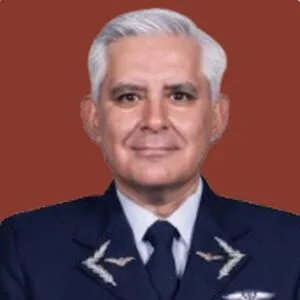 Major General Christian Stuardo NúñezSpace Director, Chilean Air Force (FACh)
 Rojo EdwardsSenator and President of the Senate Committee on Future Challenges, Science, Technology and Innovation, Senate of Chile
 Brian WeedenDirector of Civil and Commercial Policy, Aerospace Center for Space Policy and Strategy
 Gabriel Carlini Monte da SilvaRegulatory Specialist, National Telecommunications Agency (ANATEL), Brazil
 Stephen DuallDeputy Chief, Space Bureau, Federal Communications Commission (FCC), U.S.A
 Yurii DiudinAmbassador Extraordinary and Plenipotentiary, Ukraine to the Republic of Chile
 Christian Salazar VolkmannResident Coordinator Chile, United Nations
 Lubia VinhasHead, Director's Office, National Institute for Space Research (INPE), Brazil
 Gerardo Martinez CruzExecutive Director of Institutional Coordination, Telecommunications Regulatory Commission (CRT), Mexico
 Naomi PrydeGlobal Co-chair, Space Exploration and Innovation, Head of Litigation and Regulatory, Scotland, DLA Piper
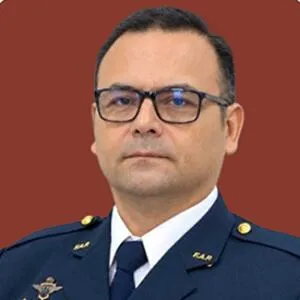 Fidel Angel Medina ReyLegal Advisor, Peruvian Space Agency (CONIDA) & Peruvian Air Force (FAP)
 Florencio UtrerasDirector, CopernicusLAC Chile
 Loreto MoragaPresident of the Chilean Space Association, Chilean Space Association (ACHIDE)
 Luis Alberto Serrano MolinosLawyer, International Law Division, Directorate General for Legal Affairs, Ministry of Foreign Affairs, Chile
 Charity WeedenSenior Nonresident Fellow, Atlantic Council's GeoTech Center
 Natanael Pineda RodriguezAttaché, Embassy of Panama in Austria
 Sam BayFounder & Head of Planetary Intelligence, AstraSense
 Bruno MartiniResearcher, United Nations Institute for Disarmament Research (UNIDIR)
 Raymond NavarroAssociate, DLA Piper
The 2026 programme
Session 1Regional Governance: Building a Continental Space Strategy for the Americas
Questions for discussion
- What impact are recent regulatory reforms having across the Americas?
- Which emerging policy and regulatory frameworks are likely to have the greatest influence on the region’s future space ecosystem, and are they driving greater alignment or deeper fragmentation?
- With the United States, Canada and Brazil leading major regulatory reforms, are we at risk of creating a two-speed space ecosystem, with only a handful of countries setting the regulatory agenda?
- How can the wider region keep pace?
- Can the current patchwork of national space laws across the Americas evolve into a more coherent regulatory environment, or does it require deliberate policy coordination?
And 3 more in the session.
Session 2Beyond Launch – Sovereignty and Autonomy in the Regions’ Space Programmes
Questions for discussion
- What does space sovereignty mean in practice, and which capabilities are most critical for countries across the Americas to develop independently?
- Is sovereign launch capability a strategic necessity, or just one element of a broader sovereign space ecosystem that also includes satellites, manufacturing, infrastructure, and data?
- What about the launch bottleneck here?
- Peru, Dominican Republic and Ecuador?
- How can countries build greater strategic autonomy and where should governments invest to strengthen sovereign space capabilities?
And 4 more in the session.
Fireside ChatDirect-to-Device in Focus – The Future of Connectivity in the Americas?
Questions for discussion
- With national frameworks diverging across the Americas, what are the key regulatory trends shaping D2D connectivity in the region, and what lessons can other markets draw from these approaches?
- How can operators, satellite companies, and mobile providers build commercially viable D2D services across diverse markets in the Americas, from highly connected economies to underserved communities?
- What regulatory frameworks are needed to support cross-border D2D services and ensure satellite connectivity can reach underserved and remote communities across the Americas?
Session 3The Future Connectivity Blueprint — Terrestrial, Satellite, and the Road to 6G
Questions for discussion
- How has satellite connectivity evolved from a complementary technology to a core pillar of the Americas’ communications infrastructure?
- How can it complement terrestrial networks to deliver truly ubiquitous, resilient, and, crucially, affordable connectivity across the Americas?
- How can policymakers strike the right balance between enabling innovation, ensuring efficient spectrum use, and creating a predictable regulatory environment for investment?
- As satellite, 5G, and future 6G networks become increasingly integrated, what are the biggest technical and commercial challenges that must be overcome?
- What opportunities will LEO constellations, direct-to-device services, and integrated terrestrial-satellite networks create for governments, businesses, and consumers?
And 3 more in the session.
Session 4Earth Observation, Climate Monitoring and the Strategic Value of Space Data
Questions for discussion
- How can countries across the Americas better harness Earth observation data to support climate resilience, disaster response, environmental protection, and sustainable development?
- What are the biggest barriers to improving access to, and effective use of, space-derived data, particularly for governments and developing economies across the region?
- How can advances in artificial intelligence, cloud computing, and commercial Earth observation services unlock greater value from satellite data for public and private users alike?
- What role should regional and international collaboration play in expanding data sharing, improving interoperability, and strengthening Earth observation capabilities across the Americas?
- Looking ahead, which emerging Earth observation applications are likely to have the greatest strategic and economic impact on the region over the next decade?
Regional Governance: Building a Continental Space Strategy for the Americas
Questions for discussion
- What impact are recent regulatory reforms having across the Americas?
- Which emerging policy and regulatory frameworks are likely to have the greatest influence on the region’s future space ecosystem, and are they driving greater alignment or deeper fragmentation?
- With the United States, Canada and Brazil leading major regulatory reforms, are we at risk of creating a two-speed space ecosystem, with only a handful of countries setting the regulatory agenda?
- How can the wider region keep pace?
- Can the current patchwork of national space laws across the Americas evolve into a more coherent regulatory environment, or does it require deliberate policy coordination?
And 3 more in the session.
Sponsor the Americas Space Forum 2026
Put your organisation in the room as the Forum heads to Latin America.
Who you’ll reach
Hosted at ECLAC in Santiago with the support of UNOOSA. The 2026 speakers include UNOOSA, the White House Office of Science and Technology Policy, the FCC, NOAA, ANATEL and INPE. In the room: senior policymakers, space agencies, regulators, industry leaders and international organisations.
Every package is built around what you want to achieve. Tell us your goals and we’ll come back with ideas.
What you get
- Speaking rolesPut your experts on stage beside the people setting policy.
- Focused roundtablesLead a smaller discussion on the issue that matters most to you.
- HostingPut your name on part of the forum and welcome delegates.
- ExhibitingMeet delegates at your stand throughout the forum.
- NetworkingTime to meet officials, regulators and industry between sessions.
2026 sponsors and partners